
"A refined set of tableware not only enhances the visual presentation of cuisine but also reflects the host’s taste and respect for guests. How to choose the perfect set for a formal dinner? Let me share the most practical tips:
1. Design & Pattern
Many instinctively think: I need plates with beautiful patterns. They must complement my tablecloth, vases, and furniture to create a rich visual experience… So, what design should I pick?
My first recommendation would be to opt for solid-colour porcelain, always embracing the less is more principle to avoid costly mistakes."
Because intricate patterns compete visually with tablecloths, napkins, and floral arrangements on plates. Some people unknowingly trigger visual overload (psychologically termed "Pattern Conflict")—pairing paisley-patterned table runners with vine-patterned dinnerware.
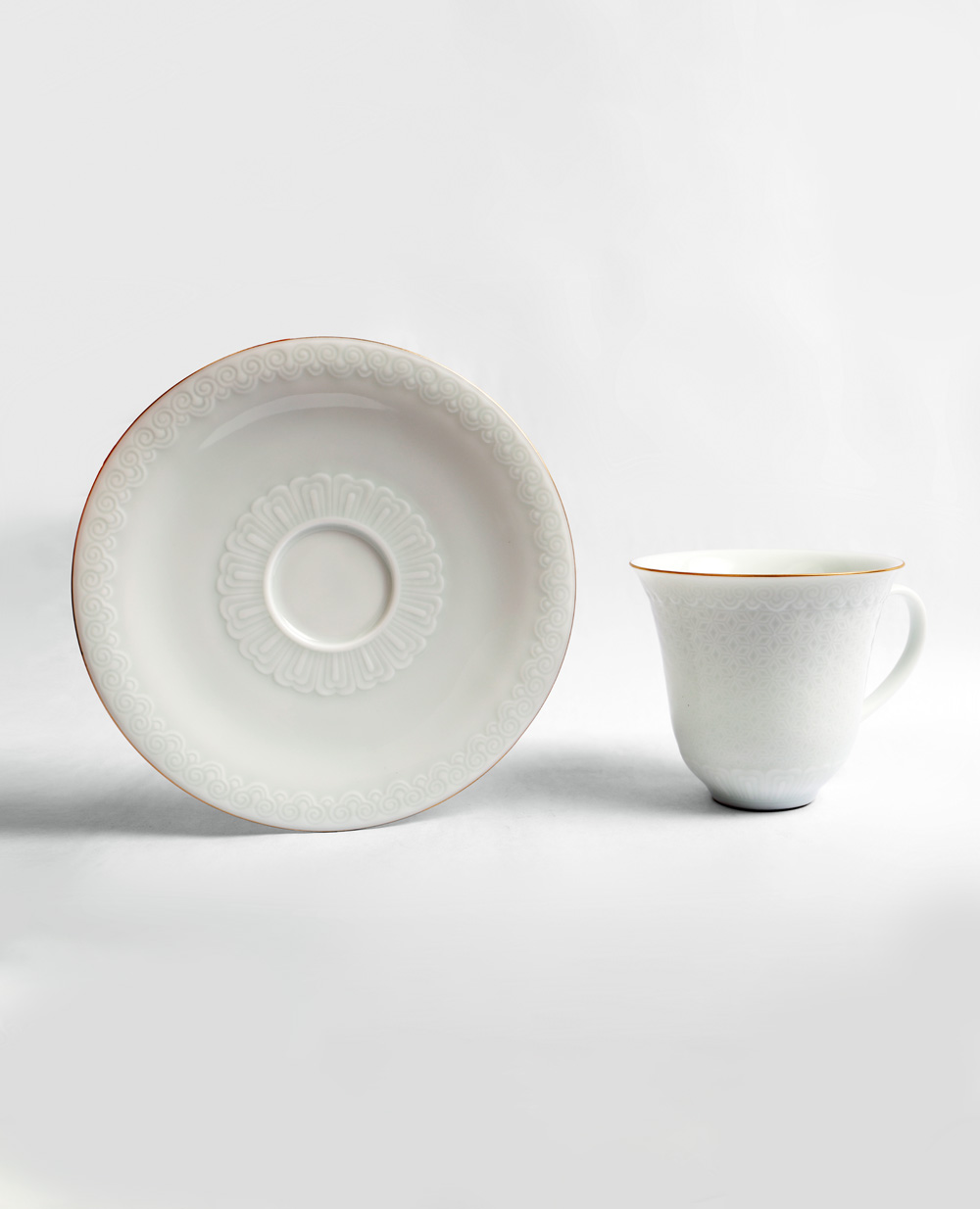
In contrast, solid-color tableware (e.g., ivory white / celadon / moon-white / black / charcoal gray), free from color conflict elements, effortlessly adapts to any tablescape (dark wood tables / marble countertops / colorful runners) and vibrant foods.
Black and white, known as "achromatic" in color theory, have become the gold standard for sophisticated palettes due to their low interference. They naturally align with the visual anchoring principle, guiding the eye to instinctively find focal points in complex settings.
You might be surprised: high-quality white plates alone can enhance perceived food color saturation by up to 17%.
From a psychological perspective, deeper influences on emotion and cognition reveal that solid-color porcelain holds distinct psychological advantages.
Psychological Mechanism | Concrete Manifestation |
Cognitive Load Reduction | Brain processes solid-color information in just 43ms vs. 210ms for complex patterns (MIT eye-tracking data) |
Enhanced Safety Perception | Monochromatic ware triggers "cleanliness association"; Japanese study (2020) shows white tableware boosts food safety trust by 28% |
Emotional Stability | Low-chroma celadon/gray porcelain induces alpha brain waves (relaxed state), ideal for restrained settings like high-stakes business banquets |

If you genuinely prefer patterned porcelain, select according to the occasion:
Occasion | Pattern Selection Principle | Key Technique |
Traditional Festival Banquets | Blue-and-white porcelain (<sub>青花瓷</sub>) | Avoid patterns covering the central area (food coverage zone) |
Rustic Afternoon Tea | Single hand-painted rose (on cup base/plate rim) | Pattern area < 15% of container surface |
Children's Birthday Party | Low-chroma macaron color blocks | Avoid sharp geometric shapes (triggers subconscious discomfort) |
II. Material & Craftsmanship
Naturally, we recommend prioritizing high-fired ceramics and bone china. Porcelain fired at high temperatures—particularly celadon and bone china—deliver exceptional performance:
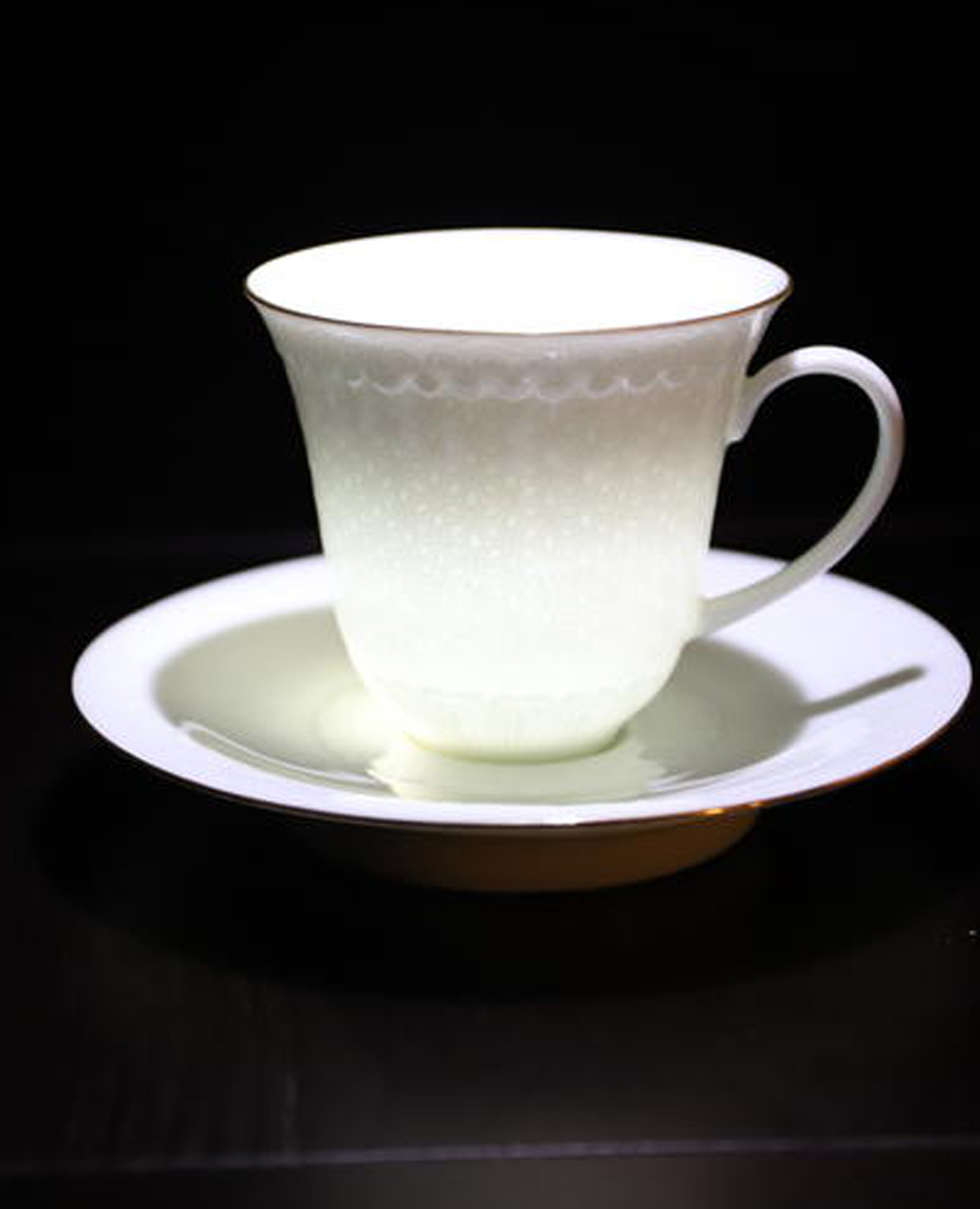
Bone china exhibits strong light permeability, a delicate texture, and produces a crystal-clear resonance when tapped, lending aristocratic elegance to the table.
Solid-color ceramics should employ only underglaze or in-glaze techniques. Fired above 1,200°C, their pigments become encased in a vitrified layer, eliminating heavy metal leaching risks—far safer than overglaze decoration. China’s Dehua white porcelain, with its pure, dense jade-like glaze, was prized by European nobility as "Blanc de Chine."
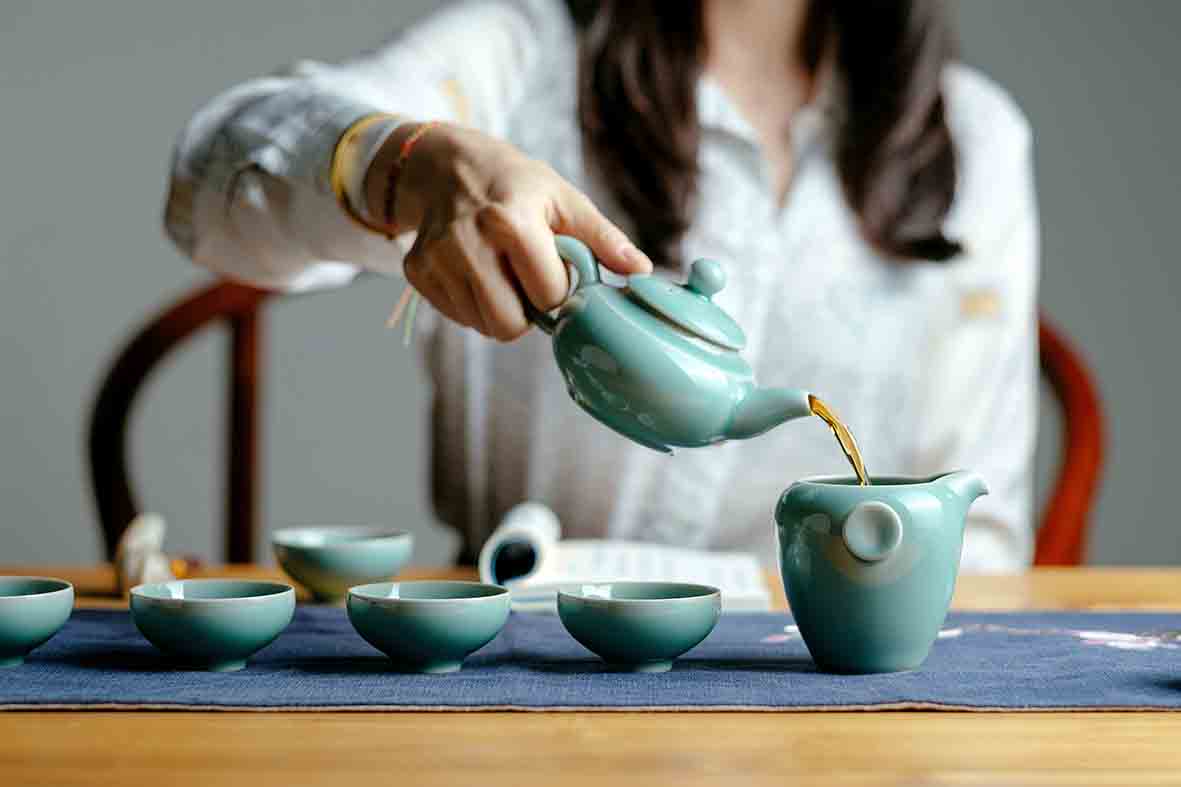
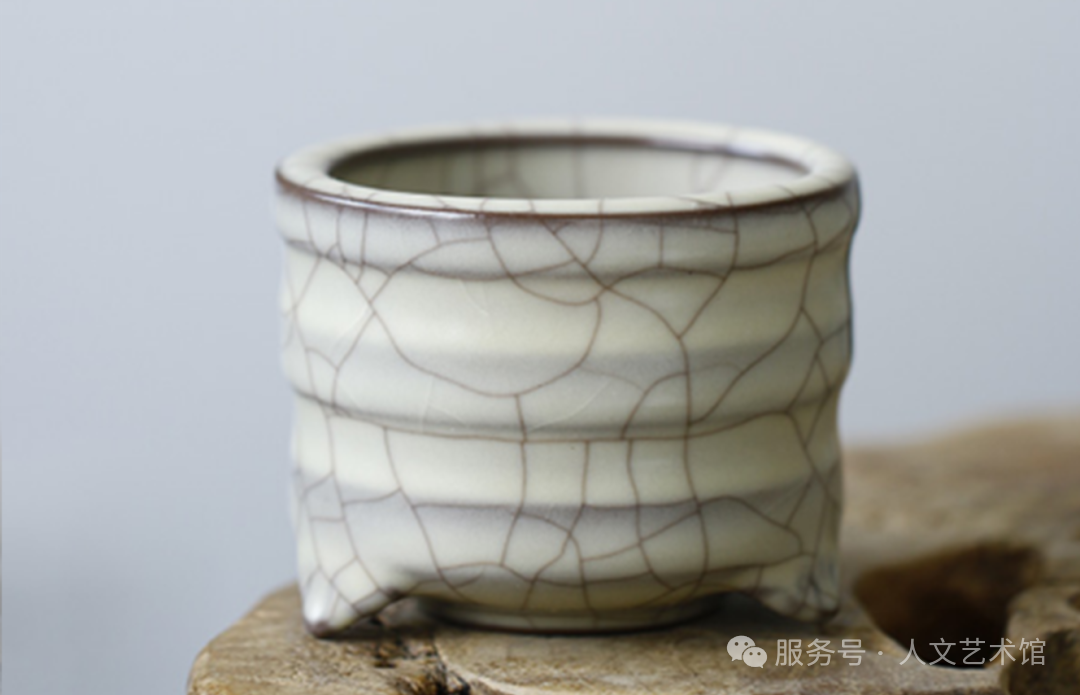
Rarer still is Longquan celadon Refined through dozens of meticulously executed steps—from kaolin purification to shaping, trimming, biscuit firing, glazing, and final firing at 1,320°C for 67 hours—this "thin body with thick glaze" technique yields porcelain with luminous, jade-like warmth. Its subtle bluish tone resembles the coveted Morandi palette, yet surpasses it in translucency and crystalline purity.
How to Find Quality Suppliers:
Naturally, we recommend Ceramics of Artistry in Craft—not as a slogan, but as our solemn pledge and confident conclusion. We excel not at staged photography nor advertising, but at preserving the intimacy between porcelain and user through handcrafted or semi-handcrafted techniques—a nuance industrial assembly lines cannot replicate.
These subtle transitions elude verbal description and photographic capture. Yet we believe when you hold our porcelain, you will understand what it truly means to experience China’s embodiment of cultural continuity.
 Luxury Gifts in Stock
 Lucky Flow Feng Shui
 Luxury Limited Edition Artwork
 June 25,2025
 June 25,2025
 June 03,2025
Copyright ©2025 All Rights Reserved by Craftsman Mei Culture Group