
What Does the Bible Say About Burning Incense?
In the heart of ancient worship, incense ascended as a divine dialogue—a sensory bridge between heaven and earth. God Himself ordained its use with meticulous solemnity: a gold-covered altar of acacia wood stood before the veil of the Tabernacle, where Aaron would burn holy incense each morning and twilight, its smoke veiling the Ark of the Covenant as God’s presence descended (Exodus 30:1–8)9. The recipe was celestial—a blend of stacte, onycha, galbanum, and pure frankincense, seasoned with salt and beaten fine—reserved solely for Yahweh. To replicate this "most holy" perfume for personal use meant exile from the community (Exodus 30:34–38)74. This was no mere fragrance; it was prayer made tangible—smoke curling like whispered petitions before the Mercy Seat. Even the Magi honored the newborn Christ with frankincense, echoing the incense’s symbolism: Christ as our Eternal High Priest (Matthew 2:11)14. Here, scent was liturgy; every ember, a covenant ritual."
Is burning Incense okay to do as a Christian?
In the Old Testament, incense played a divinely mandated central role in the worship of the Tabernacle and the Temple (Exodus 30:1–10, 34–38; Psalm 141:2). It symbolized prayers ascending to God and created a sacred atmosphere. In the New Testament, while the sacrificial system culminated with Christ, incense retained its symbolic significance. Revelation depicts incense as representing the prayers of the saints before God’s throne (Revelation 5:8, 8:3–4). Neither Jesus nor the apostles explicitly commanded or forbade its use in New Testament worship.
In contemporary church traditions—such as the Orthodox, Oriental Orthodox, Catholic, and some Anglican/Lutheran churches—incense has long been incorporated into their liturgy. They view it as an extension of the heavenly worship imagery in Revelation, symbolizing prayer, purification, and the presence of the Holy Spirit.
What is the significance of burning incense as an offering?
In Christian traditions (especially Catholicism and Orthodoxy), Hinduism, Buddhism, and many Indigenous practices, incense offerings are explicitly understood as carrying prayers upward. (As referenced in Psalm 141:2: "Let my prayer be set forth before thee as incense; and the lifting up of my hands as the evening sacrifice.")
The rising smoke represents prayers, petitions, and intentions ascending from the earthly realm to the divine (deities, ancestors, buddhas, spirits, the heavens).
It purifies the space, the participants, and objects used in ritual. It drives away negative energies, malevolent spirits, or impurities, creating a sacred and consecrated environment. The fragrance and ethereal nature of the smoke symbolize the subtle, pervasive, and often sweet or awe-inspiring presence of the sacred, making the intangible divine presence more perceptible to the senses.
Furthermore, incense (especially rare resins like frankincense and myrrh) was a prized commodity. Burning it signifies a tangible sacrifice, giving something precious to the divine. Thus, the pleasing aroma is offered for the enjoyment of deities, ancestors, or spirits, pleasing them and inviting their favor.
Which one should I choose, Ceramic Backflow Incense Holder and Burner Waterfall?
What is vantines incense burner?"On the market, 'backflow incense holders' and 'waterfall incense burners' are essentially the same type of product. Their core structural principles are identical, with differences lying only in the emphasis of their exterior design (Backflow = functional description, Waterfall = effect description). When choosing, focus on actual structural parameters such as the flue angle, depth of the smoke。
Setting Selection: Place it in a bedroom corner 1 hour before sleep, avoiding direct light sources to prevent sleep disruption.
Time Control: Limit each session to 30 minutes to avoid excessive smoke accumulation.
Scent Pairing: Combine lavender and sweet orange essential oils to regulate the nervous system, while sandalwood and frankincense are ideal for deep relaxation.
How do waterfall incense burners work?
A waterfall incense burner simulates natural waterfall scenery through vertical smoke flow. Operation steps are as follows:
(1) Ignite the backflow incense cone:
Light the top of the backflow incense cone with a lighter. After a stable flame burns for 4-6 seconds, gently blow it out, ensuring sufficient smoke density.
(2) Position the burner:
Place the burner on a stable, wind-free surface to prevent vibrations or air currents from disrupting the smoke trajectory.
(3) Align the flow hole:
Insert the incense cone by aligning its bottom hole with the burner’s top groove or aperture. Ensure a snug fit to maintain the backflow effect.
(4) Observe the smoke flow:
Smoke will gradually descend along the guided channel, creating a dynamic waterfall-like display. Enhance visual impact by using a dark background or accent lighting.
How do back flow incense burners work?
Backflow incense burners operate on the same principle as waterfall-style burners but emphasize the "reverse-flow" smoke effect. Key operational guidelines are as follows:
(1) Select premium backflow incense cones:
Low-quality incense may produce thin smoke or irregular flow, compromising visual effects. Use specialized backflow cones with dense smoke and stable combustion.
(2) Control environmental factors:
Operate in enclosed or still-air environments to prevent airflow dispersion. Ensure adequate ventilation to avoid prolonged smoke inhalation.
(3) Adjust burner alignment:
Maintain the burner perfectly level—tilting may divert smoke from the flow channel. Models with adjustable bases allow fine-tuned angle calibration.
(4) Creative enhancements:
Amplify thematic scenes like "mist-shrouded celestial peaks" or "Zen-inspired valleys" by pairing burner shapes (mountain/pagoda designs) with strategic lighting.
How does incense protect one from evil spirits?
"Exodus 30:1-10 describes incense as a holy barrier before God’s presence. Spirits are widely thought to despise smoke, particularly from resins like frankincense, myrrh, or benzoin. In folk traditions such as Caribbean Obeah, dense smoke is believed to disorient spirits’ perceptions and weaken their influence, while malevolent entities are said to recoil from potent scents like sage (used in smudging) or pungent resins. On a psychological level, the ritual of igniting incense focuses the mind and strengthens resolve against fear or perceived spiritual threats. The sense of safety evoked by the fragrance also reduces anxiety about spiritual harm."
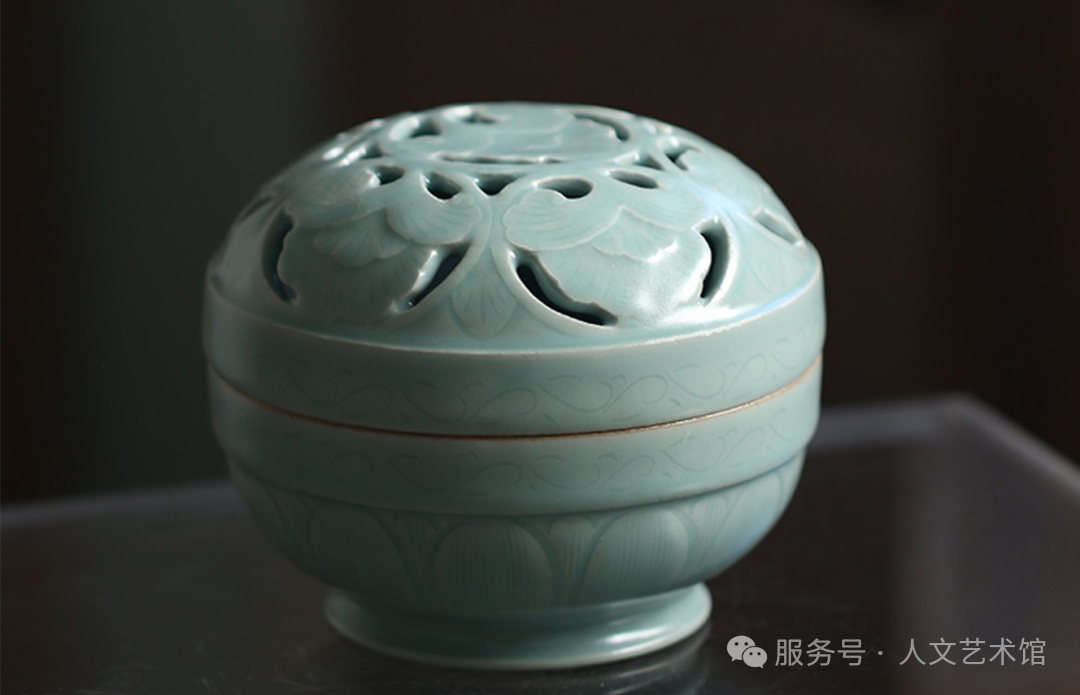
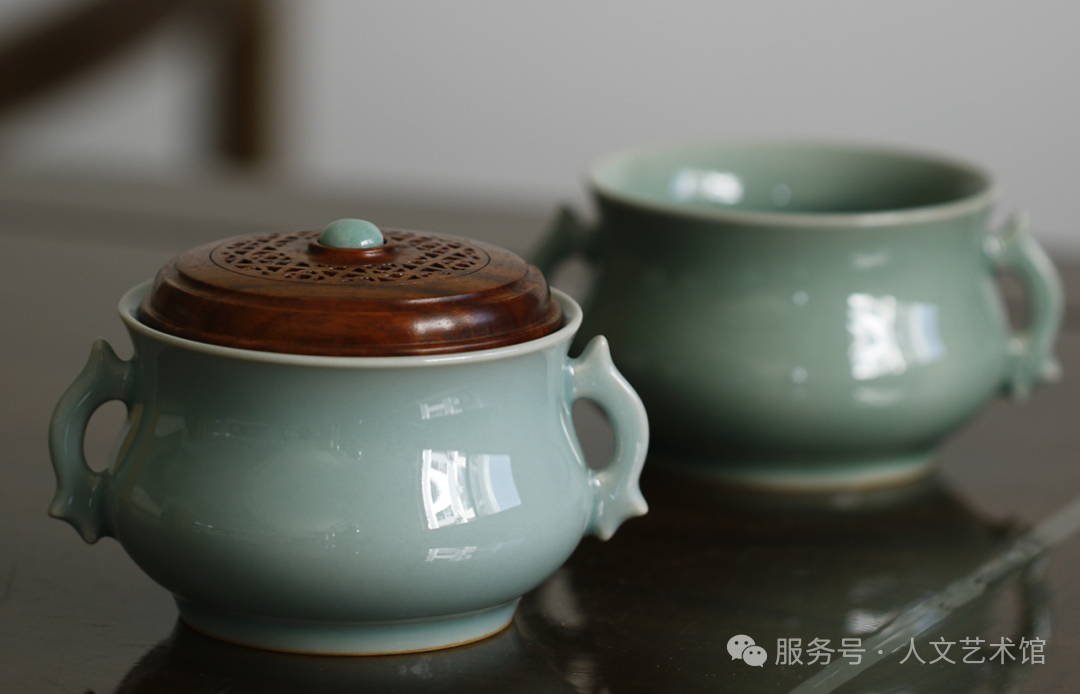
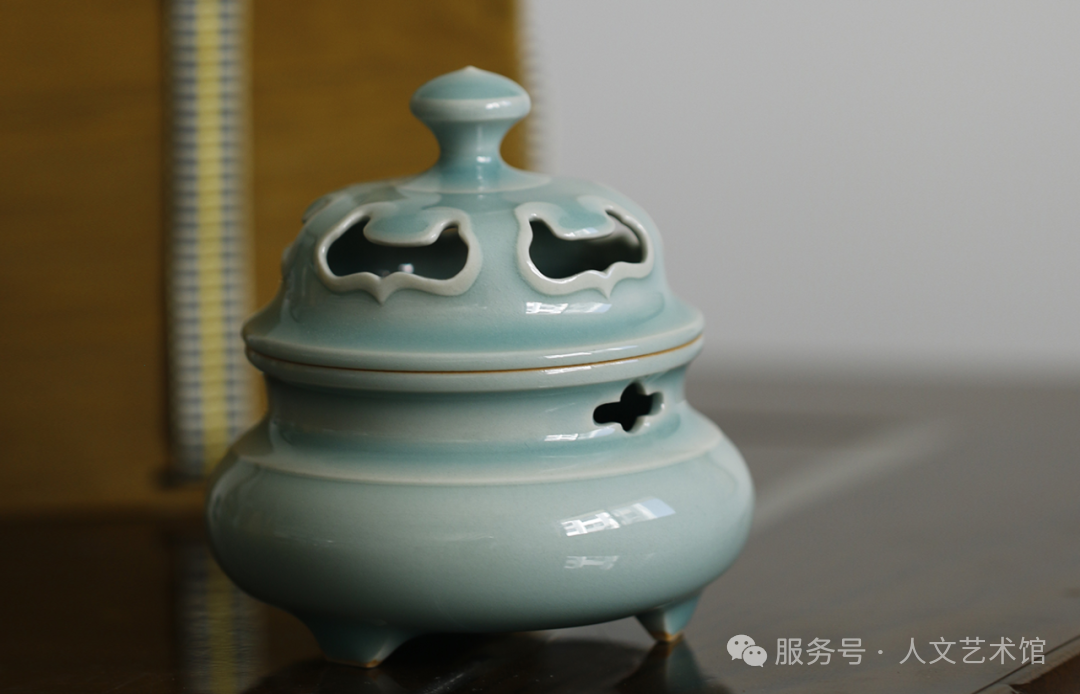
Why Longquan Celadon Incense Burners Are Exemplary Buddhist Offerings
Longquan celadon incense burners stand as exemplary vessels for they transcend mere materiality to become spiritual instruments—vessels conveying the Way, transmitting the heart through incense.
I. Functional Design
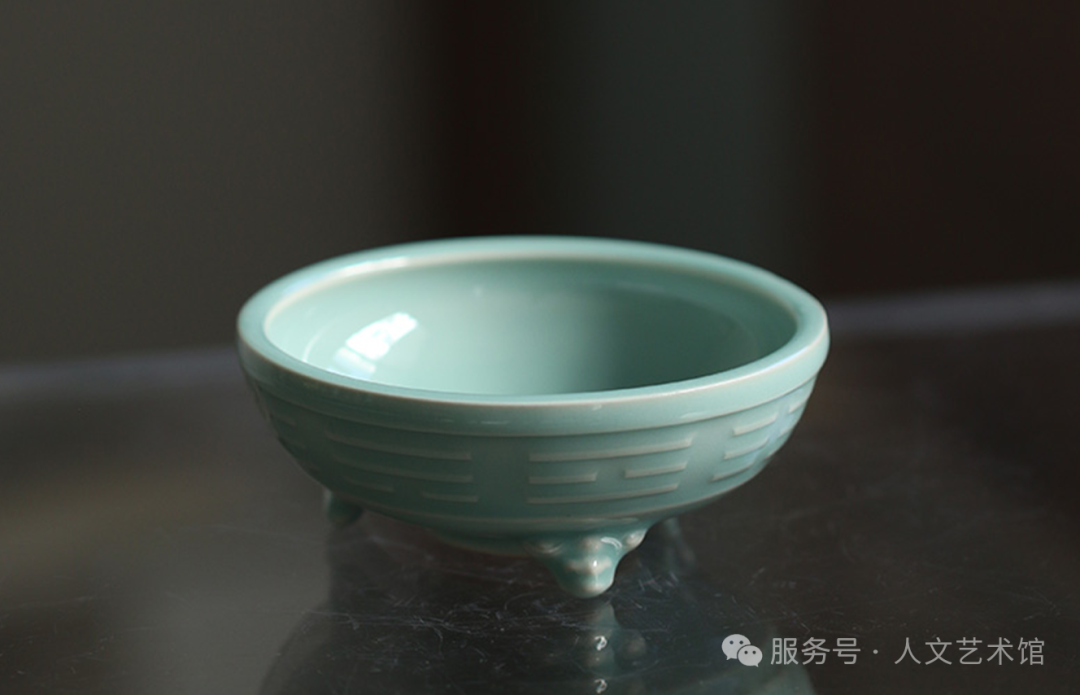
Wide-mouthed, shallow basin: Facilitates ash and incense placement while maximizing fragrance diffusion, creating a purified sacred space.
Three-legged form: Ensures stability (preventing tipping) and symbolizes the practitioner’s grounded resolve: "Feet on earth, heart toward enlightenment."
II. Ritual Purity in Glaze
Powdery Celadon (Fenqing): Resembles rain-washed mountains—subtle and serene. Reflects the Buddhist ideal of "the disciple surpassing the master" (青出于蓝), embodying the gradual purification of the heart.
Plum Green (Meiziqing): Translucent as jade, like ripening plums. Evokes Chan Buddhism’s "sudden awakening to one’s true nature" (明心见性). Its tart-sweet essence mirrors the Dharma—bitterness yielding to sweetness upon deeper contemplation.
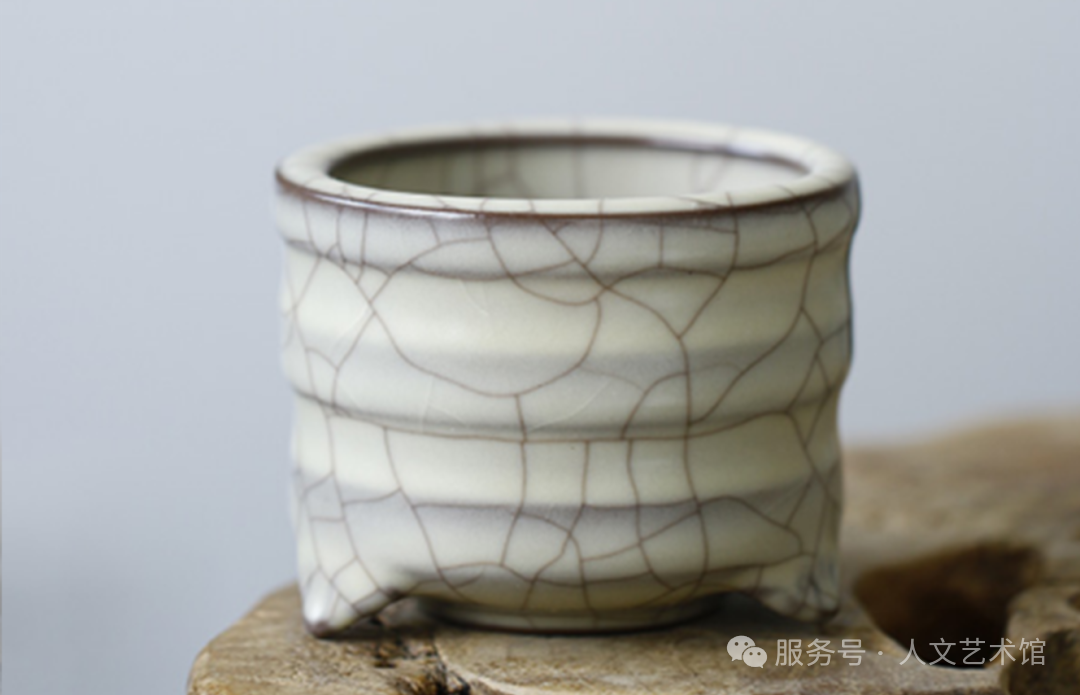
Cracked Ice Glaze (Binglie): Natural fissures resembling fractured ice. Symbolizes "afflictions as enlightenment"—perfection in imperfection, wisdom within flaws.
*Glaze note: Low iron content + 1300°C reduction firing ensures flawless purity, mirroring the practitioner’s mind: "Unstirred by thought, all phenomena empty"
Incense and incense burners
"Whether you are seeking solace, inspiring creativity, or simply savoring a beautiful sensory experience, remember: the combination of thoughtful incense and a dedicated burner—Prayer as Incense—is a powerful and easy-to-use tool. It invites you to slow down, activate your senses, and create your own quiet moments. Light, breathe, be still. Which scent will lead you to your next pause?"
 Luxury Gifts in Stock
 Lucky Flow Feng Shui
 Luxury Limited Edition Artwork
 June 25,2025
 June 25,2025
 June 03,2025
Copyright ©2025 All Rights Reserved by Craftsman Mei Culture Group