
As an ordinary consumer, I was drawn to those vibrantly patterned ceramic plates—luring foods, wine shimmering in glassware, the photographer’s captivating visuals... Yet upon entering the ceramics industry, my focus narrowed to a single metric: 1200°C.
The rationale is unequivocal: high-temperature firing is the core guarantee of ceramic safety. Low-fired porcelain exhibits poor impact resistance, fracturing into hazardous shards. Crucially, glazes inevitably leach heavy metals, imperiling health. Surface decorations on tableware—especially those with vermilion or bright yellow pigments—will likely release lead/cadmium toxins when contacting acidic foods unless fired at ≥1200°C. This temperature reduces heavy metal residues by 40%. At 1320°C, metals transform into insoluble mineral structures—essentially "petrified"—becoming inert and eliminating leaching risks.
So if you ask me, "What is the most durable type of dinnerware?" — 1320°C High-temperature porcelain is the definitive answer.
Should the question expand to tableware, tea sets, or coffee ware, I declare unequivocally:
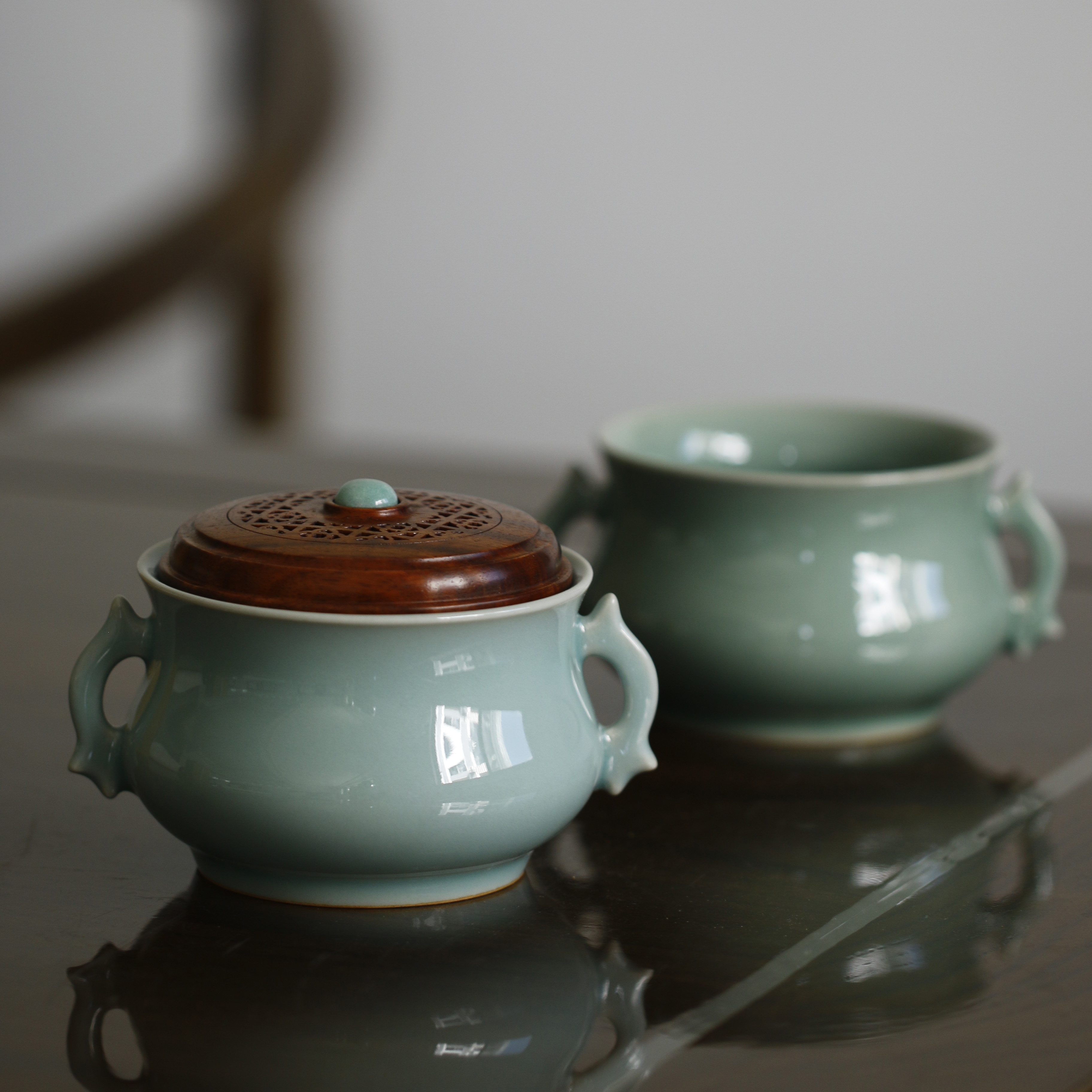
Authentic Chinese celadon and white porcelain reign supreme.
We conducted comparative experiments at 1200°C vs. 1320°C:
Test Item | 1200°C Fired Ceramics | 1320°C Fired Ceramics | Safety Improvement |
Lead Acetate Leaching (24h) | 0.38 mg/L | 0.003 mg/L | 126x |
Glaze Mohs Hardness | Grade 6.2 | Grade 7.8 | +25% wear resistance |
Thermal Shock Resistance | Cracked after 3 cycles | Intact after 15 cycles | +400% crack resistance |
Glaze Density | 2.41 g/cm³ | 2.68 g/cm³ | +11% density |
I trust the evidence speaks for itself: temperature is paramount to safety. We can thus define high-risk ceramics by three lethal factors:
Low-fired antique overglaze ware + Unlabeled certification + Acidic environments
When selecting tableware, tea sets, or coffee ware, adhere to this safety protocol:
Type | Safety Rating | Selection Criteria |
Underglaze Porcelain | ★★★★★ | Patterns under glaze layer create physical barrier against heavy metals |
Celadon/Pure White | ★★★★☆ | No colored glaze; high firing temperature avoids lead/cadmium risks |
Bone China | ★★★★☆ | Verify glaze compliance with GB 4806.4 standard |
Overglaze Porcelain | ★★☆☆☆ | Avoid acidic foods (vinegar, lemon juice, etc.) |
Antique/Hand-painted | ★☆☆☆☆ | Display ONLY. MUST NOT contact food. |
"When I learned about the health risks of low-temperature ceramics to the human body, I established only two criteria for purchasing porcelain:
It must be underglaze decoration, and
It must be high-fired at temperatures above 1200°C.
These two standards are almost non-negotiable.
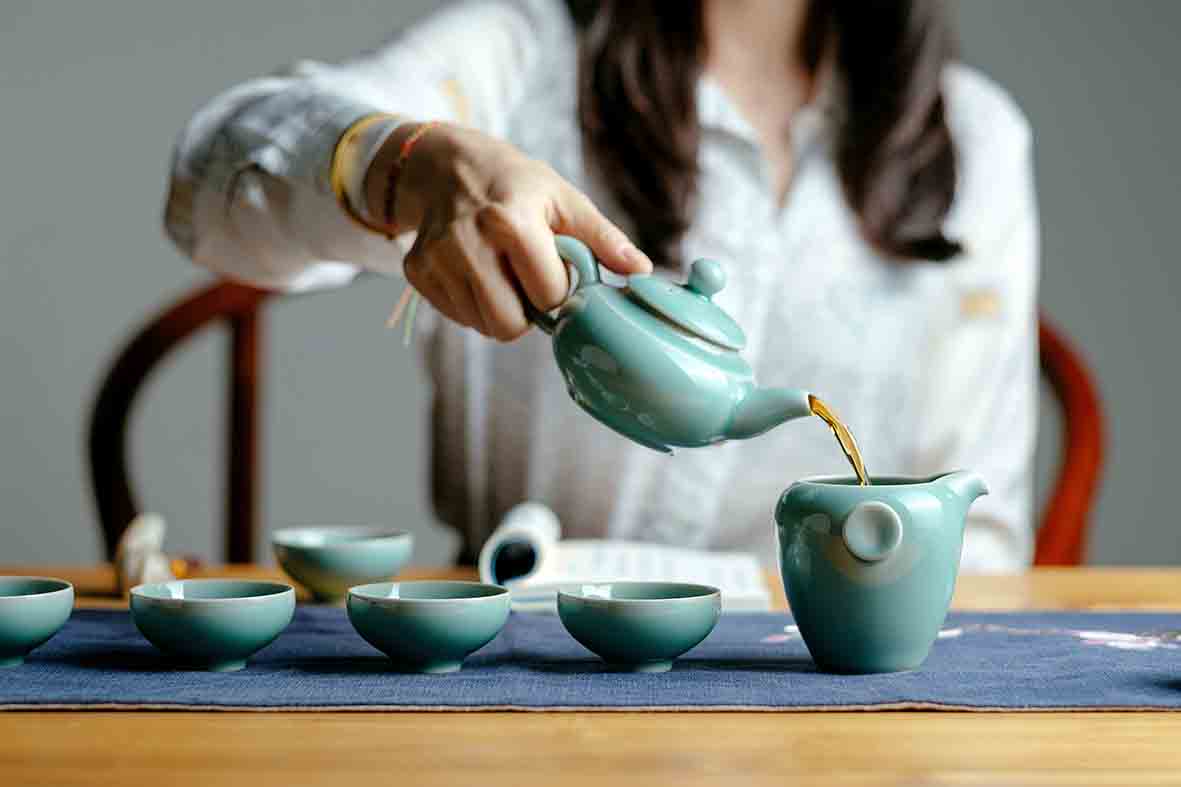
For safety, my top choices are pure white porcelain or celadon—made solely from high-whiteness clay and fired at high temperatures—especially for daily-use containers that come into direct contact with hot, acidic, alkaline, or frequently consumed foods."
For international ceramic safety certifications, please reference these authoritative identifiers:
China: SC Production License Code + GB 4806.4 Test Report
EU: CE Mark + Fork-and-Knife Symbol (Food Contact Material)
USA: FDA Compliance Certification
Germany: LFGB Certification (Fork-and-Knife Logo)
If you own colored tableware fired below 1320°C, strictly avoid using it for:
Hot soups
Acidic juices
Vinegar-based dishes
Never use chipped ceramics—cracks accelerate heavy metal leaching.
For children's tableware, exclusively select:
Pure white underglaze porcelain
Lead-free bone china
May you dine with truly healthy ceramics.
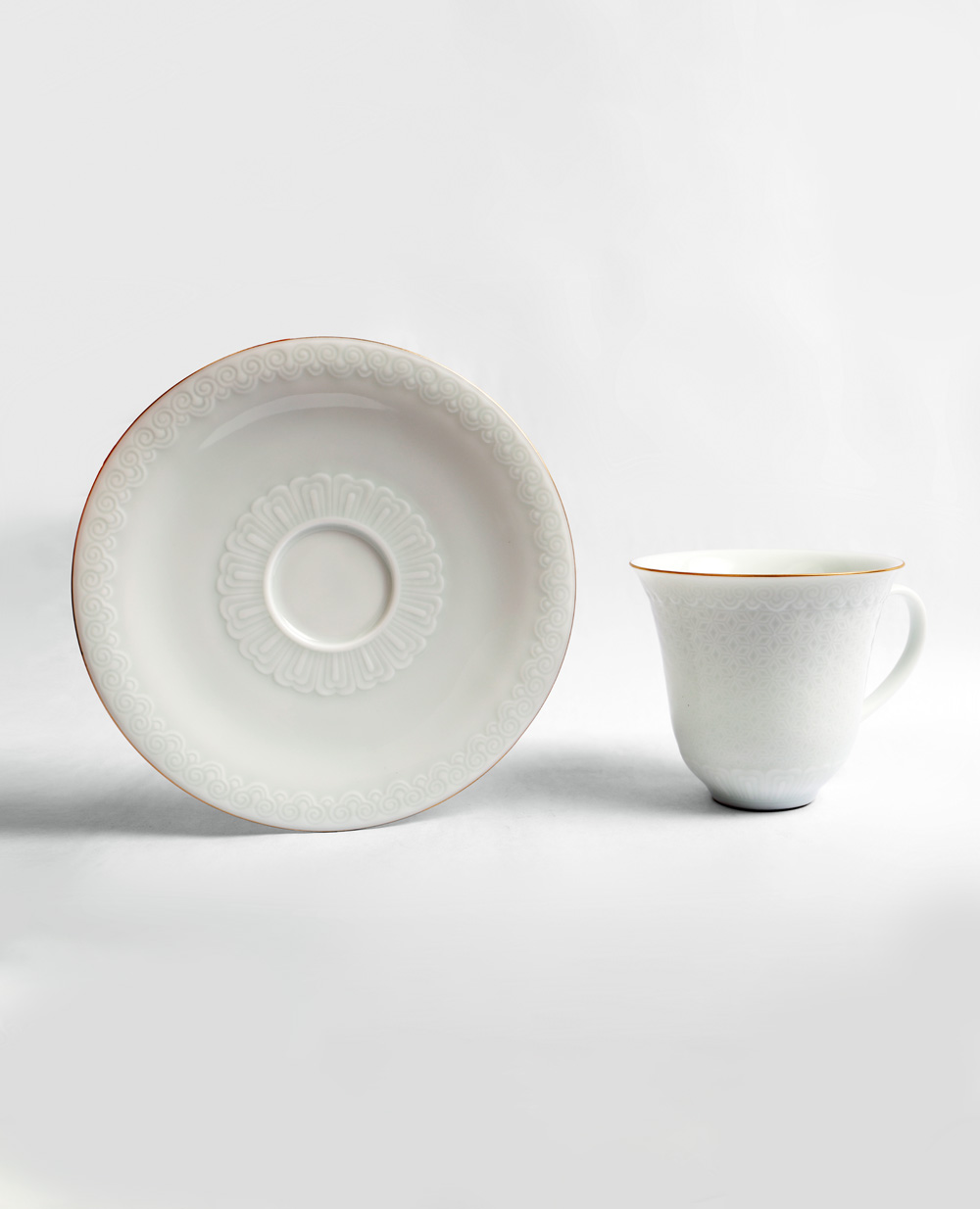
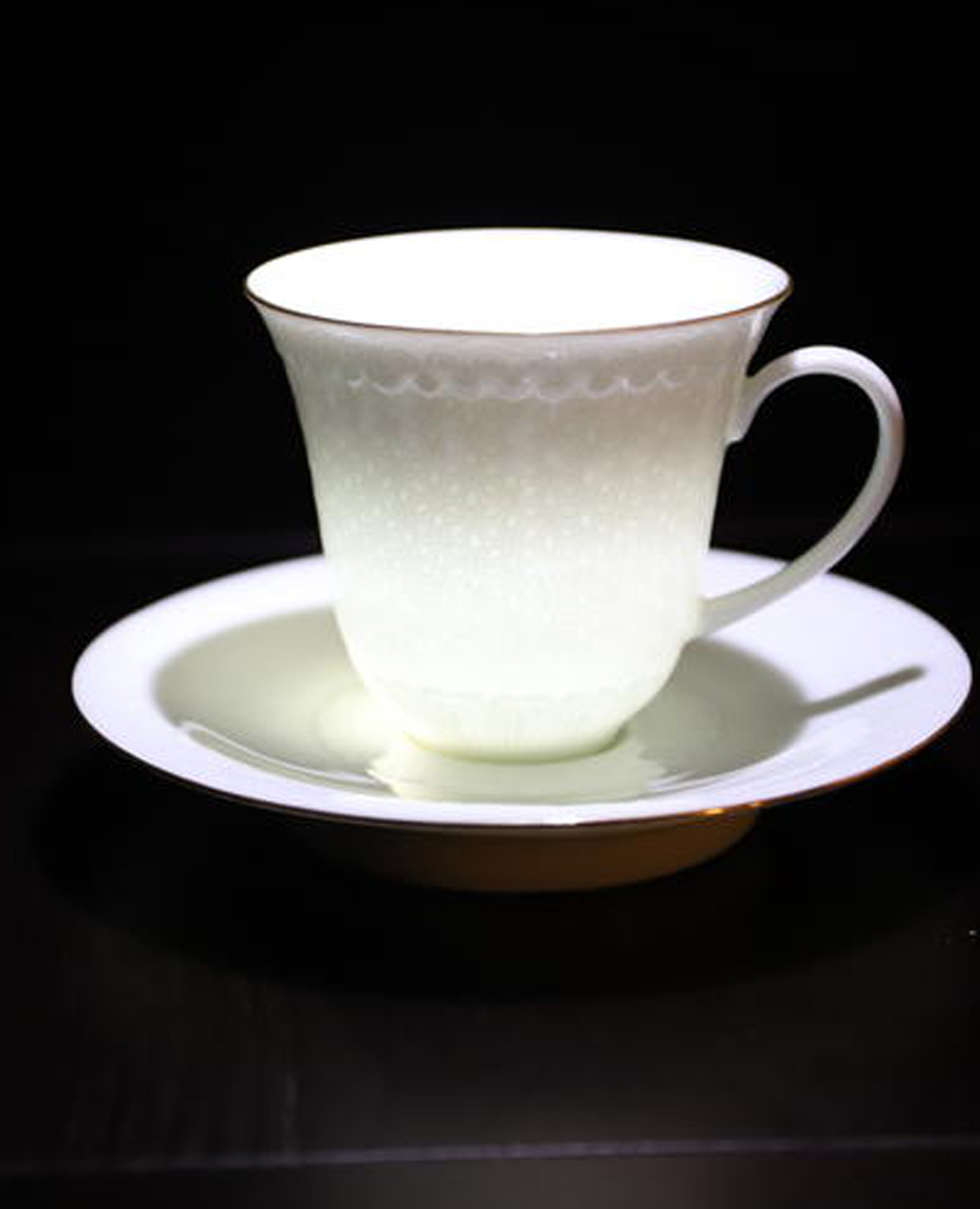 Luxury Gifts in Stock
 Lucky Flow Feng Shui
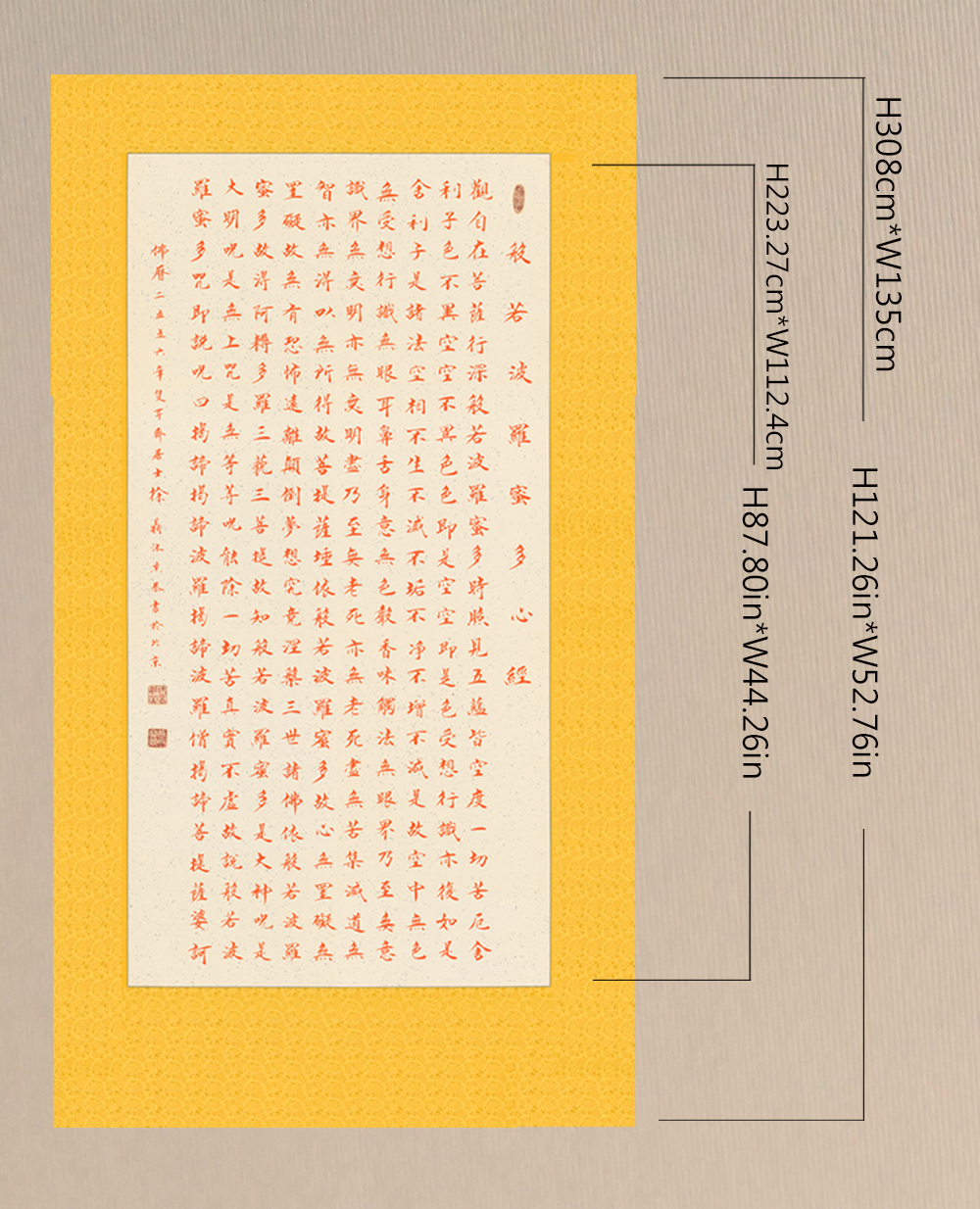 Luxury Limited Edition Artwork
 June 25,2025
 June 25,2025
 June 03,2025
Copyright ©2025 All Rights Reserved by Craftsman Mei Culture Group