Xu Ding
(Born in 1941, Jiande, Zhejiang Province)
1985: Published Clock Tower Drunken Hall Calligraphy Collection in Taiwan.
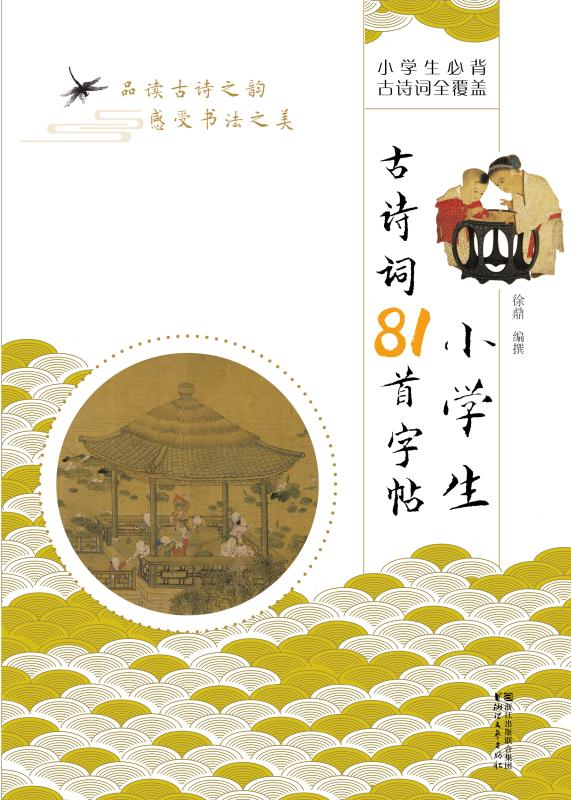
1988: Authored Middle School Students' Regular Script Calligraphy Model (published by Zhejiang Literature and Art Publishing House).
1991: Held first solo calligraphy exhibition in Taiwan.
1993: Held second solo calligraphy exhibition in Taiwan.
1995: Curated calligraphy exhibition in London; works subsequently exhibited in Japan, Hong Kong, Singapore, etc.
2018: Published 81 Classical Chinese Poems for Primary Students (calligraphy model book, Zhejiang Literature and Art Publishing House).
| 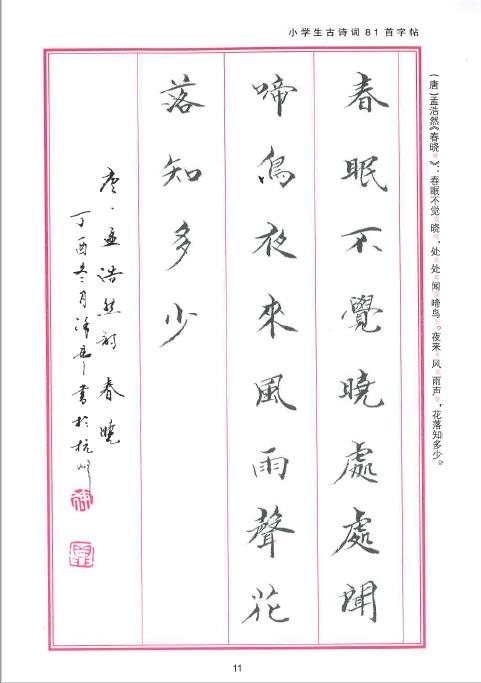 |
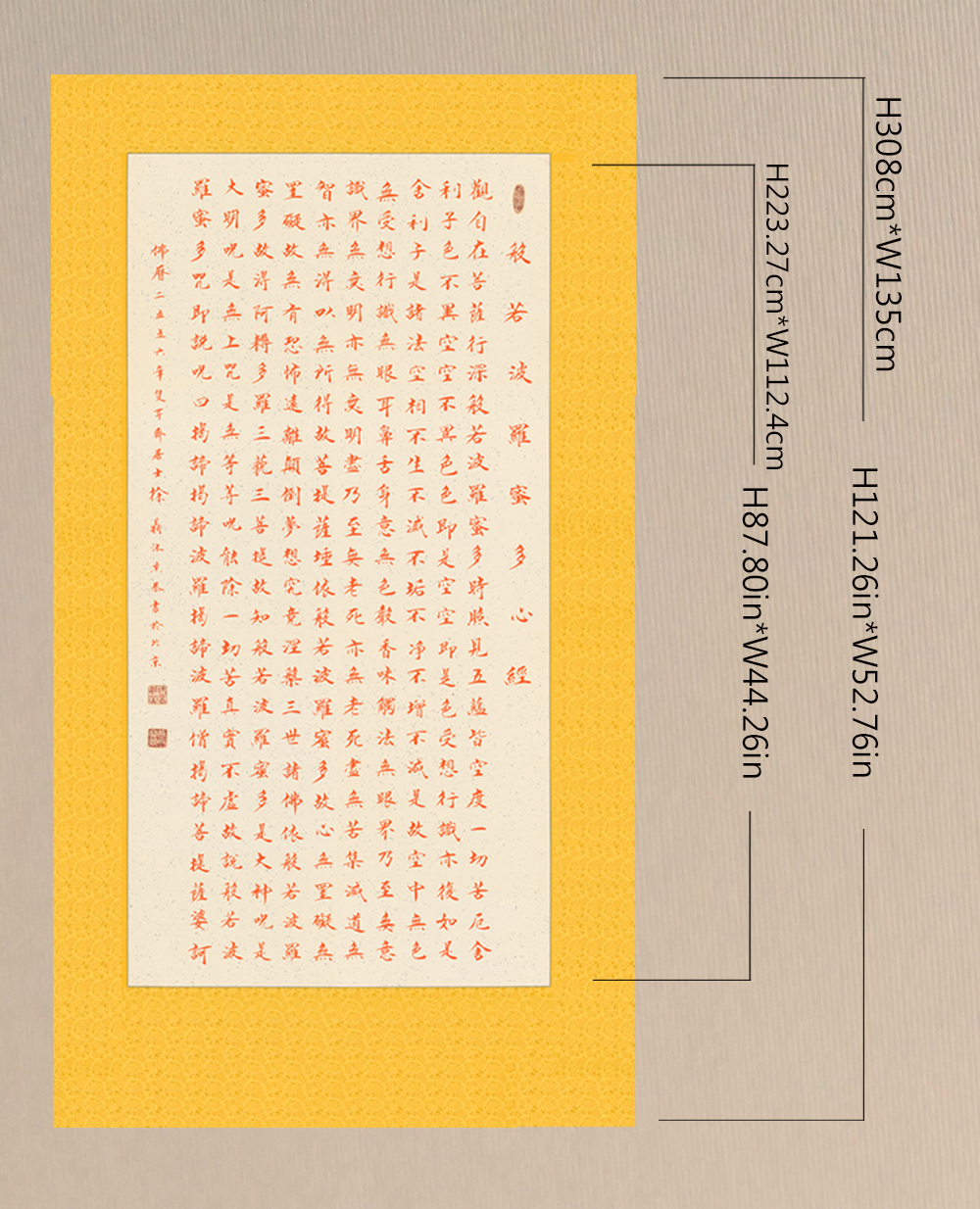
Mr. Xu Ding is a calligrapher of profound reverence for the art of Chinese calligraphy. When asked about his titles, he would present a small regular script Heart Sutra and say, "This is my business card." While others might spend hours completing a single piece of regular script, he could finish it in the time it takes to sip tea.
His regular script is breathtaking. Up close, each stroke resembles a sharp blade, radiating the intensity of "penetrating the paper with force" and "probing three inches into the wood." Viewed as a whole, it harmonizes the resilience of small seal script, the fluidity of Han clerical script, the collective beauty of Zhao Mengfu’s style, and the rigorous precision of Ouyang Xun’s technique—blending masculine vigor with feminine grace. This mastery stems from decades of immersion in diverse steles and rubbings, culminating in a natural yet revolutionary expression.
Xu Ding cares little for the commercial value of his "regular script calling card." For over three decades, he has practiced calligraphy daily, amassing countless small-script works to gift freely as tokens of sincerity. If the Heart Sutra is his private emblem, his published calligraphy textbooks serve as his public manifesto.
In 1988, he released Middle School Students' Classical Poems Calligraphy Model, followed by a revised edition in 2018—a span of three decades reflecting his relentless exploration and reverence for tradition. Calligraphy has been both his arduous journey and joyful companion. He often advises aspiring students: "Even if you perfect a master’s style, you remain a mere imitation. Learn seven-tenths of one style, then abandon it for another. Only by synthesizing multiple masters’ strengths can you forge your own voice. Regular script is to dance in shackles—only through personal artistry can you transcend constraints and attain new life."
Xu’s calligraphy now embodies a unique synthesis: the mystique of bronze inscriptions, the rawness of Wei-Jin aesthetics, the grandeur of Tang-Song elegance, and the fluidity of clerical, cursive, and semi-cursive scripts. His brushstrokes and structures transcend mere technique, achieving a transcendent mastery.
In an era where calligraphy is often dismissed as a "specialized art," Xu Ding’s philosophy reminds us: True cultural heritage lies not in superficial forms but in the "neural network" binding generations of Chinese civilization. As Lin Yutang observed in My Country and My People: "In calligraphy, perhaps more than anywhere else, we glimpse the pinnacle of the Chinese artistic soul." To inherit this legacy, we must heed his words.
Shortly after completing his textbook manuscript, his eyesight deteriorated severely—his brush often hovered inches from the paper, touching it only by accident. Henceforth, delicate fly’s-head script may elude him. The two textbooks, separated by three decades, mark both a beginning and an ending. "Ink-drenched pools and heart-painted peace"—this epitaph captures Xu Ding’s lifelong odyssey in calligraphy.
 Luxury Gifts in Stock
 Lucky Flow Feng Shui
 Luxury Limited Edition Artwork
 June 25,2025
 June 25,2025
 June 03,2025
Copyright ©2025 All Rights Reserved by Craftsman Mei Culture Group